

Index
- Why it's worth customizing old clothes
- How to dye clothes in the washing machine for even results
- Ideas for decorating old t-shirts with creative techniques
- Customize jeans with patches
- Transform t-shirts and T-shirts into new garments
- Creating accessories from old fabrics
- Essential materials and tools to get started
- Maintenance of custom garments to last over time
- Frequently Asked Questions
Last updated: September 24, 2026
In this guide from Aybel, we'll show you 10 creative ideas to transform your clothes into unique pieces, without requiring advanced skills. You'll discover how to use dyeing, embroidery, stenciling, and much more to breathe new life into your wardrobe.
Why it's worth customizing old clothes
Personalizing old clothes is a smart choice in many ways. Creatively reusing used clothing is an effective strategy for reducing the environmental impact of your personal wardrobe, as confirmed by Ecobnb, a sustainability platform. Instead of constantly purchasing new items, you can transform your existing ones into original, personalized creations. This approach is part of the slow fashion and circular economy movement, where each piece of clothing receives a second life through creativity and craftsmanship.
Financially, customizing old clothes costs much less than a new wardrobe. The creative process increases your emotional attachment to your clothes, encouraging you to wear them longer.
Personalization also offers complete creative freedom. You're not limited by the choices of commercial designers; you can create hues, patterns, and embellishments that truly reflect your personal style. Whether you prefer a minimalist or bold approach, the available techniques are versatile enough to satisfy any aesthetic taste.
How to dye clothes in the washing machine for even results
Dyeing clothes in the washing machine is the easiest way to achieve consistent results, even without previous experience.
Prepare the garment by ensuring it is clean and damp. Natural and semi-synthetic fabrics (cotton, wool, silk, linen, viscose) are ideal; pure synthetics do not absorb dye and require specific dyes.
Aybel offers dyes specifically formulated for washing machines. Pour the correct amount into the detergent compartment according to the instructions. Use hot water (60-90°C) for intense, even colors; cold water produces more delicate results.
Run the full cycle without any other items to ensure even color distribution. Avoid overloading the machine. Rinse with cold water until the water runs clear.
To lock in color and ensure long-lasting durability, use Fiske Fixing Agent by Aybel , a professional and easy-to-use fixative. Add the fixative to the fabric softener compartment during a final rinse cycle. This step is especially important if the garment will be washed frequently or exposed to direct sunlight.
Ideas for decorating old t-shirts with creative techniques
Decorating old t-shirts is one of the most accessible projects to get started with. T-shirts offer a perfect canvas for experimenting with tie-dye , embroidery, stencils, and fabric painting.
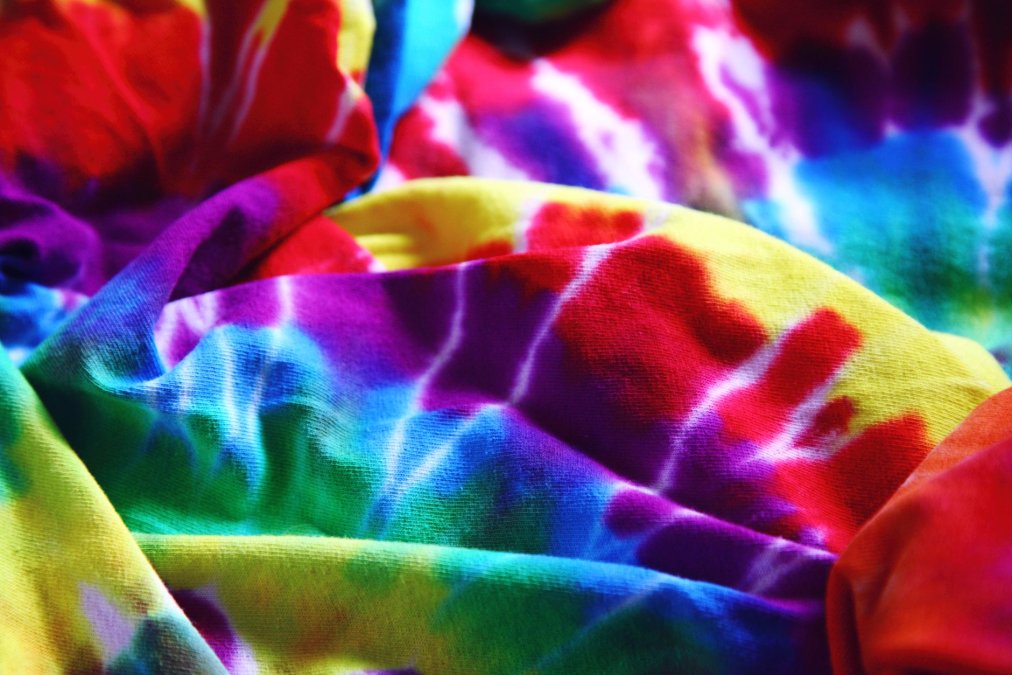
Tie-dye and geometric patterns
Tie-dye is the most fun way to transform old T-shirts. Tie sections together with rubber bands or thread, then apply dye: the tied areas remain white, creating unique patterns.
To begin, prepare the shirt by rolling, folding, or knotting different sections. Each tying technique produces a different pattern: concentric circles come from tying the center of the shirt, while stripes are created by folding the fabric accordion-style. Use Aybel's Tie Dye Set 5 , which includes six dyes in convenient bottles with dispensers to apply the colors directly to the tied areas. The six available colors (yellow, green, magenta, blue, orange, and light blue) allow you to mix shades and create personalized combinations.
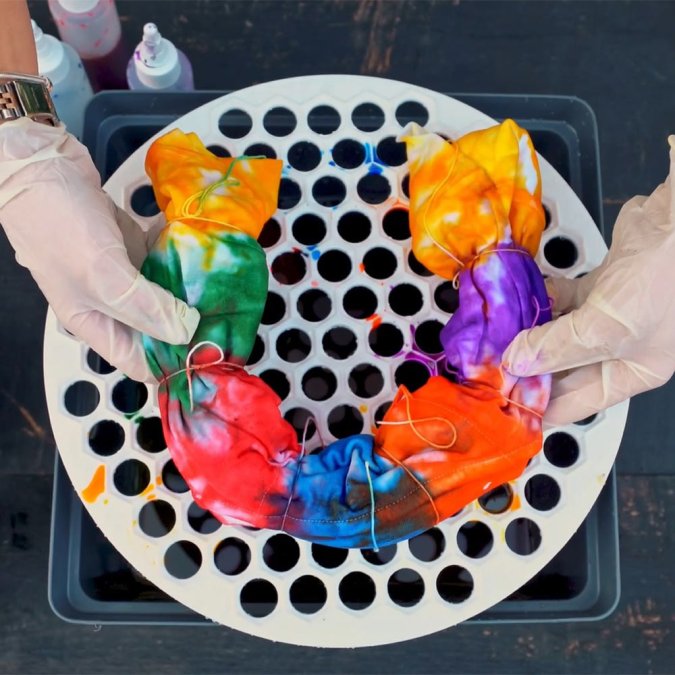
Geometric patterns offer a structured alternative: fold the shirt into triangles, squares, or rectangles before applying the dye for symmetrical, controlled patterns.
Stencils and fabric painting
Stencils allow you to create precise designs. You can purchase pre-drawn stencils or create your own, securing them with tape to prevent movement.
Use Aybel Fabric Spray Dye , available in a variety of shades including Black, Pink, Ruby Red, Orange, Grass Green, and Canary Yellow, to apply color through the stencil. The spray provides even coverage and dries quickly. Apply several thin coats rather than one thick one to avoid dripping. Each 100ml spray covers approximately 0.5m² of fabric, making it ideal for medium-sized projects.
For more artistic results, use Aybel's Multi-Purpose Brush Sets , featuring natural or synthetic bristles in various sizes. These brushes allow you to paint precise details and cover small blemishes or imperfections. Choose different brush sizes to vary the thickness of your line and create more complex effects.
Embroidery and decorative applications
Embroidery transforms a simple T-shirt into a sophisticated garment. Even beginners can create beautiful designs following simple patterns. Sashiko embroidery, a Japanese technique, strengthens fabrics while decorating them.
Trace a simple design onto the shirt with a fabric pencil. Use embroidery thread in contrasting colors. Basic techniques (cross stitch, backstitch, chain stitch) are sufficient to create charming decorations and reinforce worn areas.
Decorative appliques, or patches, add texture and depth. Cut shapes from contrasting fabrics (cotton, felt, denim) and sew them onto the shirt using visible or hidden stitches. This approach is particularly effective for covering stains or holes, transforming a flaw into a purposeful aesthetic feature.
Customize jeans with patches
Jeans are among the most versatile garments for customization: the durable denim supports patches well, and the dark blue color welcomes many creative decorations.
Traditional patches repair tears and holes, transforming them into decorative elements. You can purchase pre-made patches or create your own, sewing them on with visible or hidden stitches. Patches with bold designs transform a worn garment into something unique.
Custom patches offer creative freedom.
Transform t-shirts and T-shirts into new garments
Transforming a T-shirt into a new garment requires basic sewing skills. A worn-out T-shirt can become a bag, a hat, or a headband.
Creating accessories from old fabrics
Accessories are the easiest way to use up scraps and worn-out pieces. Worn jeans become denim bags, torn T-shirts transform into scarves or headwear.
Essential materials and tools to get started
Gather the necessary materials and tools before you begin. The good news is that you don't need a huge investment: most materials are inexpensive.
|
Material/Tool |
Usage |
Approximate Cost |
|---|---|---|
|
Fabric dyes (Aybel) |
Dye entire garments in the washing machine |
€8.95-€12.95 |
|
Fix color and increase durability |
€4,99 |
|
|
Apply dye with precision |
€14,95 |
|
|
Set of sponges |
Create geometric and decorative patterns |
€7,95 |
|
Spray Dye (various shades) |
Quick and uniform application |
€8.95 per bottle |
|
Needle and thread |
Sewing patches, embroidery and appliques |
€2-€5 |
|
Elastic bands and buttons |
Accessories for structural modifications |
€3-€8 |
|
Fabric scissors |
Cut fabrics with precision |
€5-€10 |
Maintenance of custom garments to last over time
Proper maintenance ensures your creative work lasts. Dyed and decorated garments require extra care, but the procedures are simple.

Frequently Asked Questions
What can you create with old clothes to renew your look?
Old clothes can be transformed into unique pieces through creative upcycling. You can dye a faded t-shirt with bright colors, add decorative embroidery, patch jeans, or turn a t-shirt into a bag. According to Ecobnb, creatively reusing used clothes is an effective strategy for reducing the environmental impact of your personal wardrobe. Start with simple projects like fabric stenciling or tie-dyeing, which require just a few materials and offer stunning results.
How to dye clothes in the washing machine to get uniform colors?
Machine dyeing is the easiest method for consistent results. Immerse the wet garment in the diluted dye, set the washing machine on a gentle cycle with warm water, and let it sit for 30–45 minutes. After dyeing, use Fiske Fixative (€4.99) in the fabric softener compartment to set the color and protect it from subsequent washes. This fixative is specifically developed for fabrics that are frequently washed or exposed to direct sunlight, ensuring color lasts.
What tools do you need to get started with creative clothing recycling?
Essential materials include fabric dye, needle and thread, scissors, and application tools like brushes and sponges. The Aybel Multi-Purpose Brush Set (€14.95) offers versatility for different techniques, while the Sponge Set (€7.95) is ideal for geometric patterns and embellishments. For tie-dye projects, the Tie Dye Set 5 (€12.95) includes six dyes, gloves, rubber bands, and an instruction manual. For stenciling or fabric painting, Aybel dye sprays (€8.95 each) are ready-to-use and precise.
Is it possible to personalize wool or silk garments without ruining them?
Yes, wool and silk can be personalized with care. For embroidery and applique, use fine needles and delicate stitches to avoid tearing the fibers. Avoid harsh techniques like tie-dyeing with prolonged soaking on fine silk. Always test on a small, hidden area before proceeding with the entire garment, and follow specific washing instructions for natural fabrics.
How to make your wardrobe sustainable with creative recycling?
Creative recycling reduces textile waste and extends the life of your favorite pieces. Instead of buying new clothes, transform old ones with upcycling techniques: dye faded items with fresh colors, add decorative patches to jeans, or turn T-shirts into accessories. This practice reduces the environmental impact of your personal wardrobe and represents a concrete alternative to fast fashion. Each personalized piece is unique and reflects your creativity, creating a more conscious and sustainable wardrobe.