

Table of Contents
- Why Choose Eco-Friendly Dyes for Your Clothes
- Eco-Friendly Dyes for Clothes: The Best Options Available
- DIY Natural Fabric Dyeing: How to Get Started
- Natural vs. Synthetic Fibers: Which Fabric to Dye
- Sustainable Textile Certifications in Italy: What to Look For
- Cost Comparison: Eco-Friendly Dyes vs. New Clothes
- Common Mistakes in Dyeing and How to Avoid Them
- Conclusion
Last updated: August 9, 2026

Why Choose Eco-Friendly Dyes for Your Clothes
When a favorite piece of clothing fades, it’s tempting to throw it away and buy a new one. But this fast-fashion mindset takes a heavy toll on the environment. Traditional synthetic dyes release heavy metals and toxic chemicals into waterways, while eco-friendly clothing dyes offer an alternative that extends the life of your clothes without compromising color quality.
Unlike conventional dyes, natural and low-impact dyes are biodegradable, contain no heavy metals, and are often AZO-free. The natural dyeing process is also a creative opportunity: personalizing clothes becomes a rewarding experience.
In this Aybel guide, we explore the best eco-friendly options for dyeing fabrics: from ready-to-use solutions and DIY kits to dyeing techniques that ensure long-lasting color.
Eco-Friendly Dyes for Clothes: The Best Options Available
1. Aybel: Versatile dyes for natural and semi-synthetic fibers
Aybel is the best choice for anyone looking for professional results without the hassle. This line of dyes was developed specifically for home users and small-scale artisans who want to refresh garments made of cotton, silk, wool, linen, viscose, bamboo, and polyamide.
You can dye by hand in a pot or directly in the washing machine. Aybel customers give it an average rating of 4.8 out of 5.0, with reviews highlighting how easy it is to achieve uniform, vibrant colors. One customer shared: “My silk skirt, which I hadn’t worn in a while because of the wrong color, turned a perfect emerald green in just 40 minutes in hot water.”
Aybel dyes are available in a full range of colors. The Bright Lilac Fabric Dye and the Grass Green Fabric Dye cost 4.99 euros each. For those who want to experiment with more shades, the Tie-Dye Set 1, priced at 8.95 euros, includes three base colors (yellow, magenta, and cyan) to create endless combinations.

Pros: Suitable for natural and semi-synthetic fibers; options for both hand washing and machine washing; a wide range of accessories and fabric softeners included.
Cons: Limited to natural fibers and polyamide; does not work on pure polyester or acrylic.
2. Maeko Tessuti: Natural Dyes from Plant Extracts
For those who prefer a traditional approach, Maeko Tessuti offers soluble extracts from authentic dye plants: madder, indigo, thyme, acacia, alkanna, and chlorophyll. These are genuine botanical pigments extracted from roots, flowers, and leaves.
The colors produced reflect those found in nature, with unique shades that vary depending on the plant, the harvest season, and the type of mordant used. Prices range from 10 euros for common extracts to 118 euros for rare pigments. Maeko Tessuti offers free shipping in Italy on orders over 99 euros, making it convenient to order multiple extracts to experiment with a full palette.
Pros: Genuine botanical dyes, guaranteed authenticity, support for unique handmade creations, fast delivery in Italy.
Cons: High prices for rare extracts; requires expertise in natural dyeing; color yield varies from batch to batch.
3. Phillacolor: plant-based liquid paints
Phillacolor offers ready-to-use, natural, plant-based liquid dyes that require no extraction or complex preparation. These dyes are suitable for dyeing, painting, and printing on natural fabrics and select synthetic materials.
What sets Phillacolor apart is its focus on industrial sustainability: the raw materials are renewable, and the artisanal processes minimize environmental impact. They offer dyeing services for both hobbyists and small-scale producers. Prices are available upon request, as Phillacolor tailors its solutions to meet each customer’s specific needs.
Pros: Authentic and sustainable colors, innovation in the dyeing process, the ability to develop unique color palettes, support for small-batch production.
Cons: Prices aren't transparent online; less suitable for those looking for bright colors like synthetic dyes; requires direct contact for quotes.
4. La Robbia: Artisan Workshop for Traditional Dyeing
La Robbia is an Italian workshop that preserves the ancient botanical alchemy of natural dyeing. The name refers to the madder root, one of the most important dye plants in history, known for producing warm, long-lasting reds and oranges.
This workshop combines tradition and sustainability, offering both dyeing products and instructional courses to learn the techniques. Product prices are available on their website, but the added value lies in the opportunity to participate in workshops and receive direct guidance.
Pros: Traditional and authentic approach, courses and workshops available, focus on environmental sustainability, direct guidance from expert artisans.
Cons: More limited product range, color variations due to the artisanal process, potentially higher prices.
5. "Flowers, Threads, and Colors" Natural Dyeing Kit
For those looking for a complete, guided experience, the "Flowers, Threads, and Colors" kit includes everything you need: a skein of pure organic merino wool (100g), pre-measured mordant salts, a pre-weighed dye plant, and a booklet of detailed instructions with video tutorials.
This kit is the ideal starting point for absolute beginners. Merino wool absorbs dyes evenly, ensuring vibrant, long-lasting colors. The variety of dye plants available—marigolds for yellows, coreopsis for oranges, madder for reds, walnut husks for browns, cochineal for crimson, and camphor wood for blues—allows you to experiment with a wide range of colors.
Pros: A complete, easy-to-use kit for beginners; detailed instructions with videos; high-quality organic wool; a wide selection of dye plants; a guaranteed rewarding experience.
Cons: Designed specifically for wool; not suitable for other fibers; color yield varies depending on the dye plant; limited amount of fiber per kit.
DIY Natural Fabric Dyeing: How to Get Started
Fabric Preparation and Dyeing
Mordanting is the key step in achieving color fastness and vibrancy. A mordant is a natural chemical substance that creates a bond between the textile fiber and the dye pigment, allowing the color to adhere permanently.
The most common mordants are potassium alum and cream of tartar. For every 100 grams of fabric, you’ll typically use 12–15 grams of alum and 2–3 grams of cream of tartar. Fill a pot with lukewarm water, dissolve the mordants, submerge the damp fabric, and slowly heat to 80–90 degrees Celsius for 45–60 minutes. Let it cool, then let the fabric rest for at least 12 hours before dyeing.
Application methods: by hand and in the washing machine
There are two main approaches: hand dyeing and machine dyeing.
Hand Dyeing: Prepare a dye bath by dissolving the dye in hot water (70–80 degrees Celsius). Submerge the pre-treated fabric and maintain a constant temperature for 30–45 minutes, gently agitating the garment to ensure even absorption.
Washing Machine Dye: Aybel and other manufacturers offer dyes specifically formulated for the wash cycle. Add the dye to the detergent compartment, select a hot cycle (60 degrees Celsius), and you’re all set. This method is faster (about 60 minutes total) and less work.
Color Fixation for Improved Color Fastness
After dyeing, the setting process ensures that the color will withstand repeated washings. Soak the dyed fabric in a bath of cold water with a setting agent (such asAybel’s Fiske Setting Agent, available for 4.99 euros). The process takes 20–30 minutes at room temperature. After setting, rinse the fabric in cold water until the water runs clear, and let it air dry away from direct sunlight.

| Phase | Duration | Temperature | Notes |
|---|---|---|---|
| Staining | 60 minutes | 80–90°C | Let it rest for 12 hours afterward |
| Hand Dyeing | 45 minutes | 70–80°C | Stir gently and continuously |
| Laundry Dye | 60 minutes | 60°C | Complete hot-forming cycle |
| Fastening | 30 minutes | 20°C | A fixing agent is required |
| Final rinse | 10 minutes | Cold | Until the water is clear |
Natural vs. Synthetic Fibers: Which Fabric to Dye
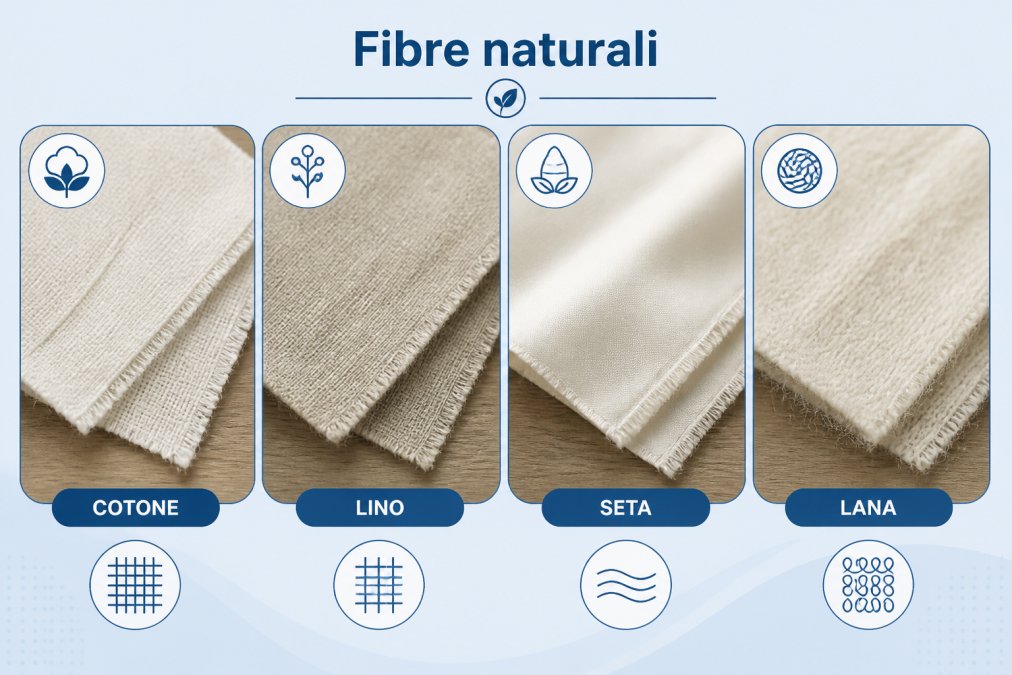
Natural fibers absorb dyes better than synthetic ones. Cotton, wool, silk, linen, viscose, bamboo, and polyamide (nylon) are all fibers that take both natural and synthetic dyes well, provided they have been properly mordanted.
Cotton is the most versatile fiber: it’s durable, affordable, and produces vibrant colors. Wool offers warm, soft colors, ideal for winter garments, but requires gentle handling to prevent felting. Silk produces luxurious results with a natural sheen, but it’s more delicate and requires lower temperatures. Linen creates slightly uneven color effects, perfect for a rustic style.
Pure synthetic fibers (polyester, acrylic, spandex) do not absorb natural dyes. Garments made of blended fibers (cotton-polyester, wool-acrylic) take on color only partially: the natural component will absorb the color, while the synthetic component will remain lighter.
Sustainable Textile Certifications: What to Look For
When purchasing eco-friendly dyes, certifications are the most reliable way to verify that the environmental claims are true. The main certifications are:
GOTS (Global Organic Textile Standard): Certifies that the fabric was produced from certified organic fibers and dyed using dyes and processes with low environmental impact.
Oeko-Tex Standard 100: Ensures that the fabric and dyes do not contain toxic substances that are harmful to human health.
EU Ecolabel: A European eco-label that certifies products with a low environmental impact. The criteria include restrictions on heavy metals and azo dyes.
BLUESIGN®: A standard that prohibits the use of hazardous chemicals from the very beginning of the production process, protecting both the environment and workers.
When looking for eco-friendly dyes, make sure the manufacturer mentions at least one of these certifications.
Cost Comparison: Eco-Friendly Dyes vs. New Clothes
A bottle of Aybel dye costs 4.99 euros and is enough to dye a medium-sized garment. If you add a setting agent (4.99 euros), the total cost to refresh a garment is about 10 euros. A decent cotton T-shirt costs at least 20–30 euros, a skirt 30–50 euros, and a shirt 40–70 euros.
The savings are immediate: 10 euros to refresh a garment vs. 30–70 euros to buy a new one. Furthermore, extending the life of a garment by 2–3 years through dyeing significantly reduces your personal environmental footprint. For those who dye regularly, the investment in reusable accessories (a dedicated enamel pot, tongs, gloves, and a set of Aybel sponges for 7.95 euros) pays for itself after just a few projects.
Common Mistakes in Dyeing and How to Avoid Them
The most common mistakes are easy to avoid:
Skipping the staining process: Without a stain, the color won't adhere properly and will fade quickly.
Water that's too hot or heating that's too fast: If you heat the water too quickly, the fiber can be damaged or become matted. Always proceed slowly.
Dirty fabric or fabric that hasn't been rinsed properly: If the garment contains residual detergent, the dye will not penetrate evenly.
Dye bath that is too concentrated or too diluted: The ratio of dye to fabric is critical. It is essential to follow the manufacturer's instructions.
Insufficient movement during dyeing: If the fabric remains stationary in the dye bath, the dye will not penetrate evenly. Gently move the garment every 5–10 minutes.
Drying in Direct Sunlight: After dyeing, always dry the dyed garments in the shade, preferably in a well-ventilated area.
Conclusion
Eco-friendly fabric dyes aren't just a sustainable alternative to fast fashion—they're an opportunity to personalize your favorite clothes, extend their lifespan, and reduce your environmental impact. Whether you choose a complete kit like the one from Fiori, Fili e Colori to get started, or Aybel’s versatile dyes for professional results, the process is accessible to everyone.
With Aybel, you have access to a complete range of dyes formulated for natural and semi-synthetic fibers, options for both hand-dyeing and machine-dyeing, and support through personalized photo consultations. Start with the Grass Green Fabric Dye for 4.99 euros to give a garment a new lease on life, and discover how natural dyeing transforms your relationship with the clothes you wear.
Frequently Asked Questions
What are the best natural dyes for dyeing clothes?
The best natural dyes include indigo for blues, madder for reds and browns, coreopsis for yellows, and Japanese knotweed for greens. Eco-friendly dyes like Aybel’s combine effectiveness with versatility: they work on cotton, wool, silk, and linen without requiring complex mordants. For professional results, match the dye to the type of fiber and use a fixative like Aybel Fiske to ensure better colorfastness.
How can I dye clothes at home using DIY natural dyes?
Dyeing fabric naturally at home requires just a few steps: prepare the fabric by washing it, apply the mordant (rock alum and cream of tartar) to set the color, soak it in a temperature-controlled natural dye bath for 30–40 minutes, then set the color with a fixing agent. Aybel offers ready-to-use liquid dyes that simplify the process, eliminating the need to extract pigments from plants. For even results, stir frequently and maintain a stable temperature.
Are eco-friendly dyes really more sustainable than synthetic dyes?
Yes, eco-friendly dyes significantly reduce environmental impact compared to synthetic dyes. Synthetic dyes often contain heavy metals and AZO compounds, generate toxic chemical waste, and require costly effluent treatment. Natural and low-impact dyes are biodegradable, non-toxic, and non-allergenic. However, their sustainability depends on the source: locally sourced plant-based dyes have a lower carbon footprint than imported ones. Choose Italian suppliers like Maeko Tessuti to support the local supply chain.
What is the difference between natural dyes and eco-friendly synthetic dyes?
Natural dyes are derived from plants and minerals (indigo, madder, coreopsis) and are completely biodegradable. Eco-friendly synthetic dyes are created in a laboratory but formulated to minimize environmental impact: they are AZO-free, low-impact, and reduce wastewater. Aybel uses a hybrid approach: synthetic dyes designed to be non-toxic and compatible with natural fibers. Both outperform traditional dyes in terms of sustainability, but natural dyes offer authenticity and uniqueness in the results.
How can I avoid uneven stains when dyeing clothes at home?
Irregular staining occurs when the fabric is not evenly immersed or the temperature is unstable. To avoid this: pre-wash the garment to remove any finishes, gradually submerge it in the dye bath, stir continuously for the first 10 minutes, maintain the temperature between 60–80°C, and do not overload the container. If using a washing machine, select the delicate cycle with lukewarm water. Aybel provides specific instructions for each color and fiber type. Always test on an unimportant garment before dyeing your favorite piece.
This article was written using GrandRanker