

Index
- Creative fabric recycling ideas: turn scraps into treasures
- DIY Textile Dyeing Techniques: From Tie-Dye to Upcycling
- Textile Projects for Beginners: Start Without Fear
- Decorating your home with custom fabrics
- Costs and Sustainability: DIY vs. Buying New
- Conclusion
Last updated: August 21, 2026
Creative fabric recycling ideas: turn scraps into treasures
Fabric scraps represent a hidden opportunity. Transform them into unique, personalized accessories and reduce waste by creating items no one else has. Recycled fabrics account for 35% of global handicraft production. 360 Research Reports Handicraft Market Growth .
Bags and accessories made from fabric scraps
Bags made from textile scraps combine functionality and sustainability. Gather scraps measuring at least 30x30 cm, cut 5 cm strips for the handles, use fabric glue to assemble the pieces, and reinforce the bottom with thicker fabric. Personalize with dye or embroidery using the Aybel Multi-Purpose Brush Set (€14.95) to paint details with diluted dye.
Patchwork blankets and personalized cushions
Cut uniform squares from your scraps (10x10 cm is ideal), arrange them in a pattern, sew them together leaving a 1 cm margin, and secure the backing with coordinating fabric. For the cushions, add an invisible zipper and filling. If the colors don't match, use Aybel's Tie Dye Set 5 (€12.95) to dye all the pieces the same color.
DIY Textile Dyeing Techniques: From Tie-Dye to Upcycling
DIY textile dyeing techniques allow you to express your personal creativity and create unique visual effects.
Classic tie-dye and modern variations
Tie-dye is the most iconic method. Fold the shirt in half and tie it in the middle with rubber bands, create circles by tying sections with string, soak it in the dye bath for 30-45 minutes, rinse until the water runs clear, dry, and remove the ties.
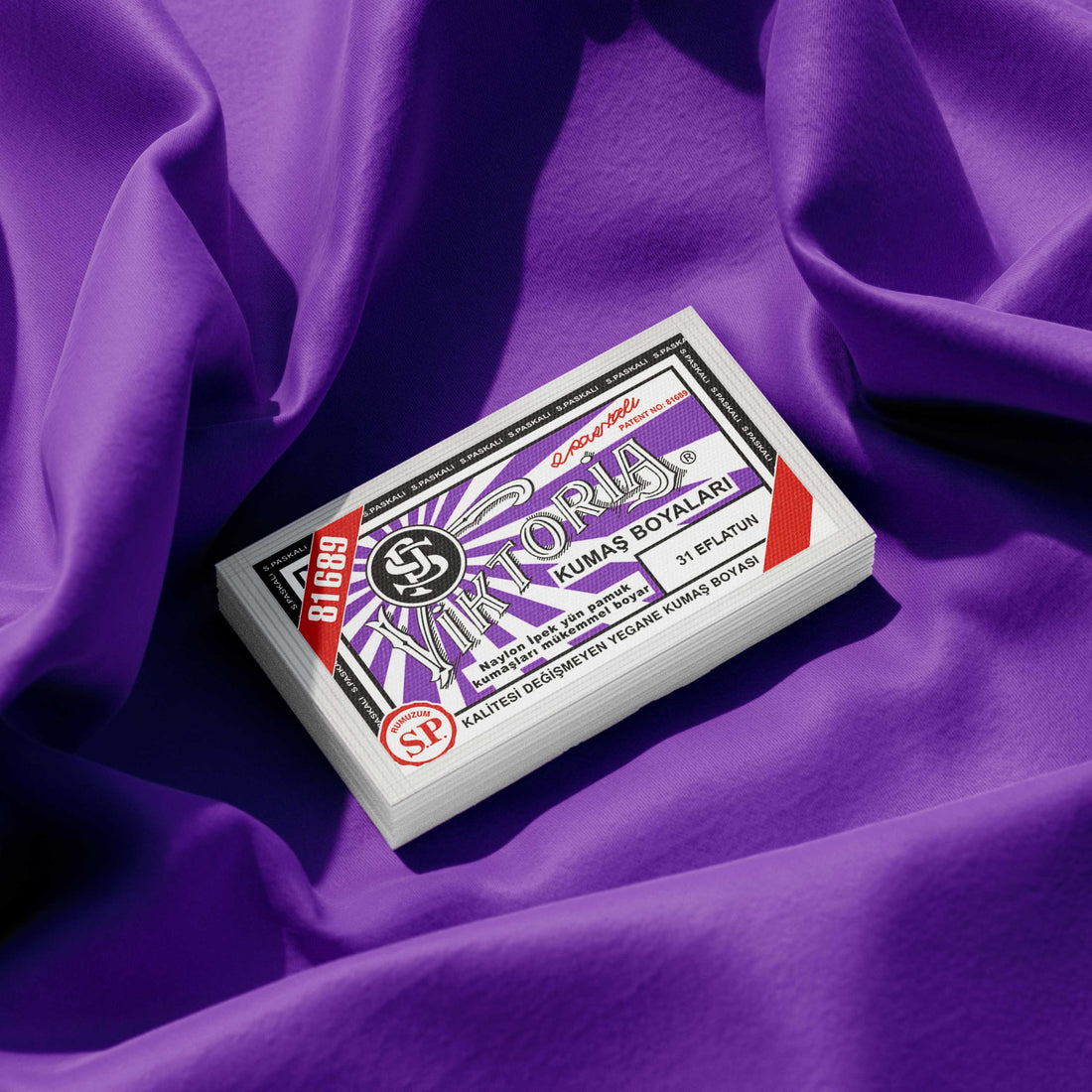
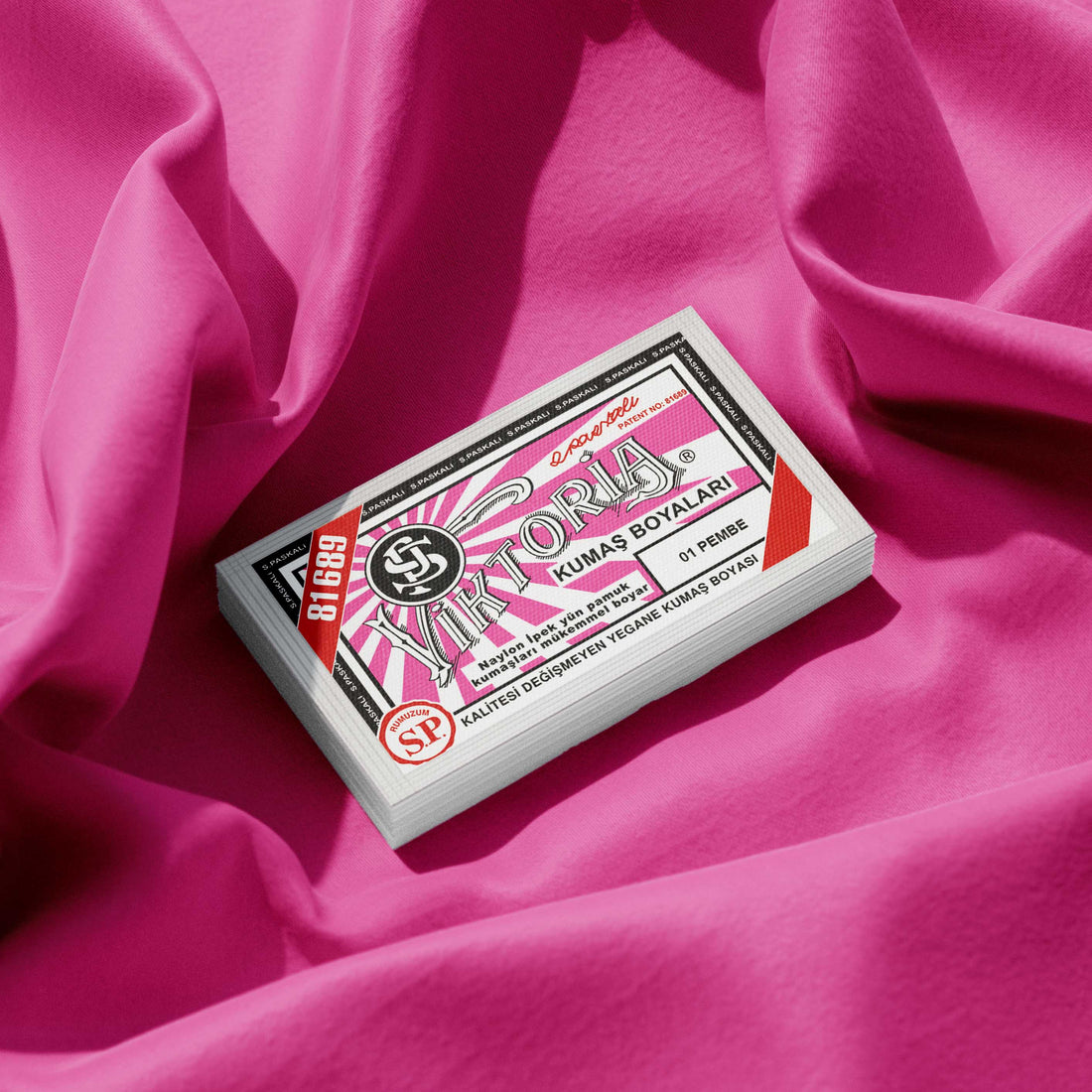
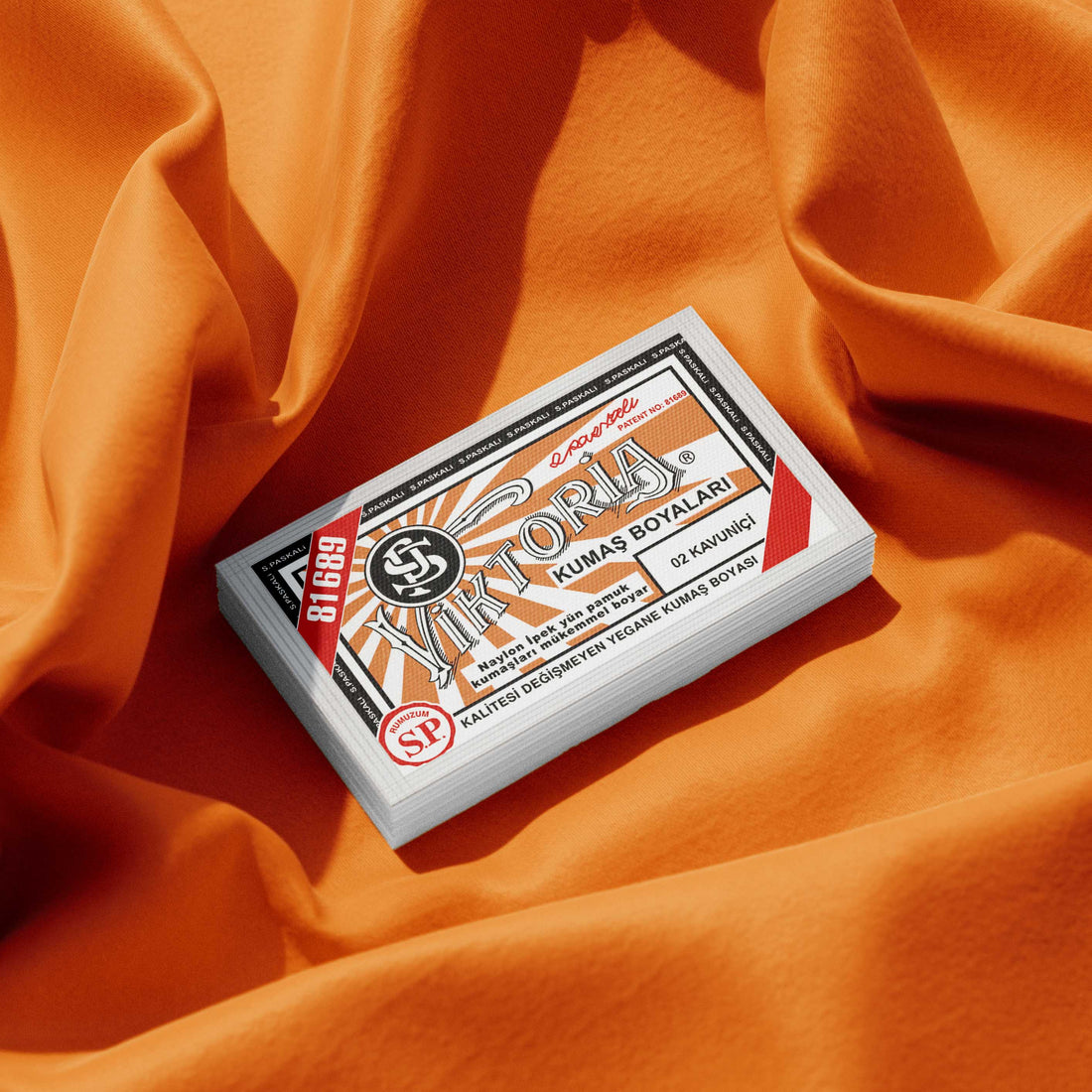
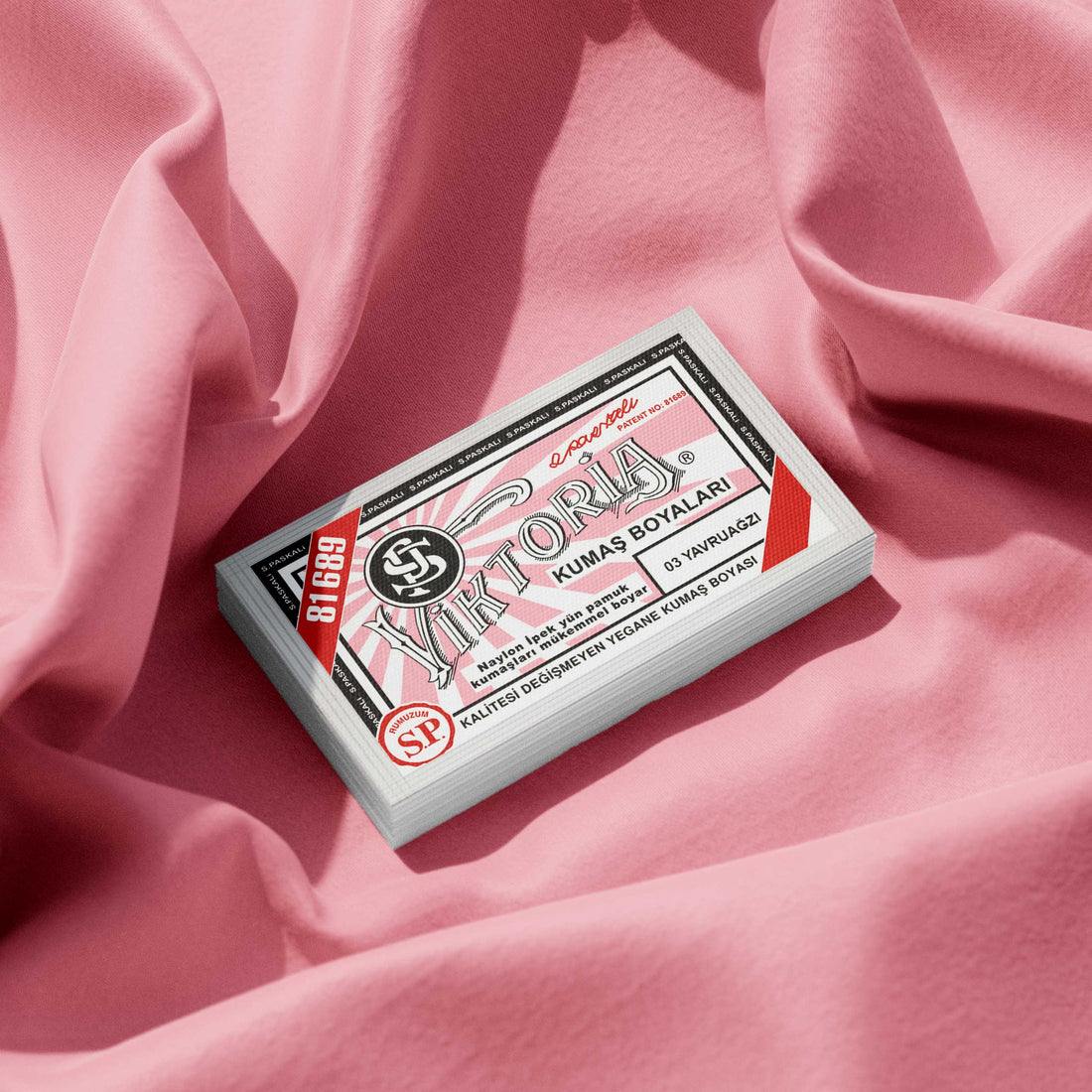
Aybel's Tie Dye Set 1 ($8.95) includes three basic colors perfect for tie-dye combinations. For bolder results, Tie Dye Set 5 ($12.95) offers six colors. Modern variations include ombre tie-dye with gradients of the same color, geometric tie-dye with triangle pleats, and reverse tie-dye for bleaching areas of dark fabrics.

Hand dyeing with brushes and stencils
Dilute the dye in warm water (1:3 ratio) and use the Aybel Multi-Purpose Brush Set (€14.95) to apply the dye to wet fabric. Let dry for 24 hours before setting the color. Create stencils from cardboard to add personalized initials or symbols.
Artistic upcycling of old clothes
Completely transform an old garment into something new: cut the pieces and recombine them into a different shape, dye the result with coordinating colors and add embroidery for personalization.
Textile Projects for Beginners: Start Without Fear
If you've never dyed a garment or have no sewing experience, these projects are designed specifically for you.
Hand-dyed scarves and t-shirts
Scarves are the perfect beginner's project. Take a white cotton scarf, fold it accordion-style and tie it with rubber bands. Prepare the dye solution using Tie Dye Set 1 (€8.95). Apply the dye, rinse, dry, and wear. White T-shirts work exactly the same way.
No-sew cushions with recycled fabrics
This project doesn't require a sewing machine. Cut two squares of fabric (40x40 cm), apply fabric glue along the edges of three sides, press them together and let them dry for 24 hours, fill them with polyester fiber, and seal the fourth side with glue. Personalize by dyeing one of the squares before assembling with Tie Dye Set 5 (€12.95).
Decorating your home with custom fabrics
Custom fabrics add character and warmth to any space.
Custom curtains and coverings
Measure the window and calculate the fabric you need (width x 2.5 cm for drape), cut the fabric and prepare the dye, dye in the washing machine, set the color with Fiske Fixative (€4.99), and hang. For decorative pillow covers, use the same procedure with lighter fabrics and customize by adding embroidery before dyeing.
Tapestries and artistic textile panels
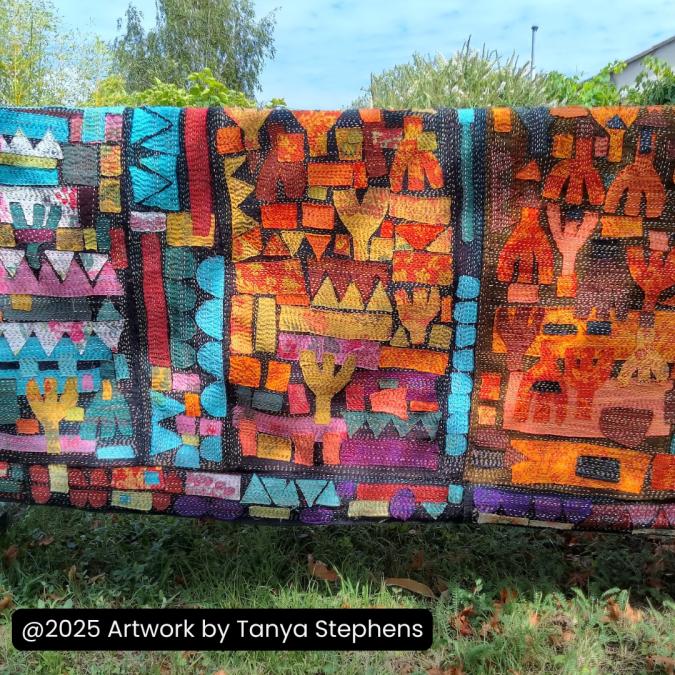
Assemble fabric pieces into a pattern you like, dye the entire panel for visual cohesion, and hang with a wooden rod. The result is a unique work of art that tells the story of recycled materials.
Costs and Sustainability: DIY vs. Buying New
Project |
DIY Cost |
New Purchase Cost |
Savings |
DIY Benefits |
|---|---|---|---|---|
Tie-dye T-shirt |
€8-15 |
€25-40 |
50-70% |
Unique, personalized |
Patchwork cushion |
€10-20 |
€30-50 |
50-70% |
Recycle waste |
Dyed curtain |
€15-30 |
€50-100 |
50-70% |
Tailor-made, long-lasting |
Scrap bag |
€5-10 |
€30-60 |
70-85% |
Zero waste |
The true value of DIY isn't just the cost savings, but also sustainability. When you create something with your own hands, you extend the life of the materials and reduce textile waste. In 2026, conscious consumers recognize this value beyond price.
Aybel's Tie Dye Set 1 for €8.95 provides three colors for dyeing multiple garments. A single set can dye 3-5 shirts, reducing the cost per item to less than €2. Compared to a store-bought tie-dye shirt (€25-40), the savings are significant.
Conclusion
DIY textile projects represent a statement of awareness and creativity. By 2026, with over 29 million people globally engaged in textile activities, the trend is consolidated and growing.
Whether you're dyeing a faded t-shirt, turning scraps into a unique tote bag, or customizing curtains for your home, Aybel provides the products and guidance to achieve professional results. With Tie Dye Set 1 ($8.95) to get you started, Fiske Fixing Agent ($4.99) for durability, and the Multi-Purpose Brush Set ($14.95) for precision, you've got everything you need to turn your ideas into lasting textile reality. Get started today and discover how mindful DIY changes the way you view your clothes and your space.
Frequently Asked Questions
What are the best DIY textile projects for beginners?
The simplest projects for beginners are machine dyeing, tie-dyeing, and no-sew pillows. Machine dyeing simply requires you to put the garment and dye in the wash cycle—no complex techniques required. Tie-dyeing with the Aybel Tie Dye Set offers spectacular results in just a few hours, while no-sew pillows use only textile glue, without sewing. These projects guarantee success even without previous experience.
How can I reuse fabric scraps creatively?
Textile scraps become bags, pillows, patchworks, and wall hangings. Collect colorful fragments and sew them together to create patchwork blankets, or transform them into tote bags with rope handles. For those who don't know how to sew, use textile glue to assemble the pieces. In 2026, artistic upcycling of scraps is a major trend: transform leftovers into unique accessories that tell a story of sustainability and personal creativity.
What textile dyeing techniques can be used at home?
The three main techniques are: machine dyeing (the easiest), hand dyeing with hot water and fixing agents, and tie-dyeing with binding techniques. Machine dyeing is ideal for uniform results on entire garments. Hand dyeing offers greater control and allows for nuanced effects. Tie-dye creates unique, artistic patterns. All require a fixing agent like Aybel Fiske to ensure the color lasts and doesn't fade after washing.
Is it possible to sell handmade textile creations?
Yes, the global craft kit market is worth €6.8 billion by 2025 and is growing at a 6.9% annual rate. Consumers are actively seeking handmade, personalized, and sustainable products. Upcycled bags, hand-dyed cushions, and personalized accessories are finding customers online and at local markets. The key is quality (use professional fixing agents like Aybel Fiske), sustainability (communicate the reuse of materials), and uniqueness (each piece must be slightly different and tell a story).